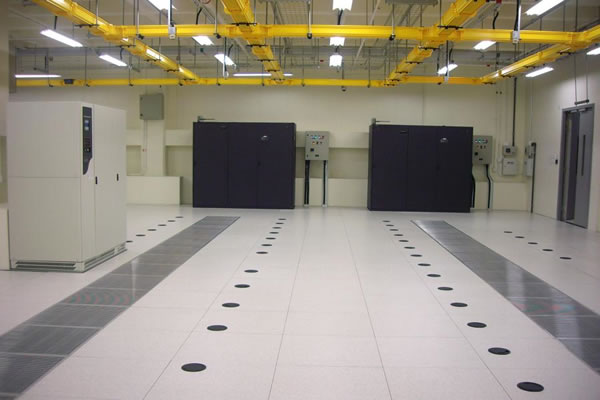
Introduction: This article focuses on "Using high-definition images of Hong Kong data center offices to evaluate the rationality of cabinet spacing and air conditioning layout," providing key points for visual interpretation and evaluation methods combined with on-site data. It is suitable for initial review and SEO search needs in data center operations and site selection.
Preliminary visualization evaluation was conducted using images of the Hong Kong data center office
By preliminarily assessing the data center layout through high-resolution images, it is possible to quickly identify cabinet arrangements, aisle widths, and air conditioning equipment locations. For images of the Hong Kong data center, focus should be paid to the corridor width, handrails, and floor structure to determine whether passage and maintenance requirements are met, thereby providing direction for subsequent on-site measurements.
Key points for visually interpreting cabinet spacing
When judging cabinet spacing from the picture, pay attention to the width after the cabinet doors open, the construction gap, and the ratio of cabinet height to the cabinet. Scale estimation can be performed based on known equipment specifications or portrait scales to determine whether maintenance, cable layout, and cooling requirements are met, avoiding final judgments based on a single photo.
Methods for identifying air conditioner air outlet and return air layouts
High-definition images help identify the air outlet, return vent, and supply and exhaust directions of refrigeration equipment. Observe the positions of ceilings, air ducts, floor grilles, and air conditioning units to determine whether cold air enters the cold aisle first and provides smooth return, identify potential short circuits or backflow issues, and evaluate the rationality of the layout.
Assess cold/hot channel blockage status through high-definition images
Check for openings, gaps, or improper obstructions in cold and hot aisles, such as unsealed floor grates, cabinet gaps, or cable perforations. Images can reflect the sealing materials and sealing integrity, and combined with light and color differences, it can assess the risk of local heat accumulation, providing a basis for optimizing sealing solutions.
Images are used in conjunction with on-site data for quantitative evaluation
Image analysis should be combined with on-site temperature probes, wind speed measurements, and cabinet power consumption data to form quantitative assessments. Using images to confirm measurement point locations, and verifying thermal distribution maps and CFD simulation results to ensure that image evaluations of the Hong Kong data center office match actual operating parameters, thereby improving decision-making accuracy.
Summary and suggestions
Summary: Using high-definition images of Hong Kong data center offices to evaluate cabinet spacing and air conditioning layout is an efficient preliminary method, but attention should be paid to the effects of image scale and optical distortion. It is recommended to take image interpretation as the first step, immediately followed by on-site verification and data collection, and combine sealing, wind direction adjustment, and wiring optimization to form a complete rectification plan.
- Latest articles
- Common IP Setting Errors And Solutions For Singapore Servers Explained In Detail
- Compare Different Platforms To Teach You How To Efficiently And Securely Purchase Native Taiwan IPs
- Detailed Tutorial: Learn How To Properly Use Ping Taiwan Servers For Link Testing On Different Systems
- Differences And Applicable Scenarios Between CN2 GIA Hong Kong And Other CN2 Types Of Lines
- Hospital System Integration Analysis: Data Security And Compliance Of Chinese Servers In Thai Hospitals
- Using High-definition Images Of The Hong Kong Data Center Office To Evaluate The Rationality Of Cabinet Spacing And Air Conditioning Layout
- International Deployment Guide For Multilingual Websites Supported By Cloud Servers In The Philippines And Cambodia
- Setting Up A Cambodia LoL Server Analysis Of Server Stability And Bandwidth Requirements
- Service Provider Selection Recommendation: China To Japan Cn2 SLA And Service Coverage Comparison Checklist
- User Testing Of Alibaba Cloud 24 RMB Server In Malaysia Latency And Bandwidth Performance Report
- Popular tags
-

Steps To Quickly Launch Overseas Sites Using Hong Kong Site Cluster Ip Servers Without Registration
this article introduces the steps and precautions for using multiple ip servers in the hong kong site cluster to achieve rapid online launch of overseas sites without registration, covering preparation work, network architecture, deployment process, monitoring backup and seo geographical optimization suggestions. -

How To Use Hong Kong Computer Room Cn2 Network Acceleration To Reduce Cross-border Delay And Jitter
this article introduces how to use hong kong computer room cn2 network acceleration to reduce cross-border delay and jitter, covering cn2 characteristics, hong kong node advantages, deployment steps, routing optimization, qos strategies and monitoring suggestions, to help enterprises improve international access stability and user experience. -

Free Mobile Server In Hong Kong – A Reference For Mobile Access Solutions Before Enterprise Testing
A reference guide for enterprise testers on free mobile access to Hong Kong servers, covering key aspects such as networking, DNS, certificates, proxies, performance monitoring, and compliance, to help ensure reliable testing and optimization on mobile devices at Hong Kong nodes.